

Table of Contents
Key Takeaways
- Multigenerational and co-buying arrangements are rising.
- Smart home tech and eco-friendly features are highly desired.
- Younger buyers face affordability challenges.
- Flexible strategies and agent guidance are crucial for success.
The landscape of homeownership is evolving, with modern families adopting new strategies to navigate today’s housing market challenges. From multigenerational living to co-buying arrangements, these trends reflect a shift toward more collaborative, resourceful approaches to home purchasing. For those seeking guidance in this dynamic environment, Lake Norman real estate agents from The Dearing Team offer unparalleled expertise. As founding agents of SERHANT. North Carolina provides clients with access to cutting-edge marketing tools and a global network, ensuring a seamless home-buying experience in the Carolinas.
Multigenerational Living on the Rise
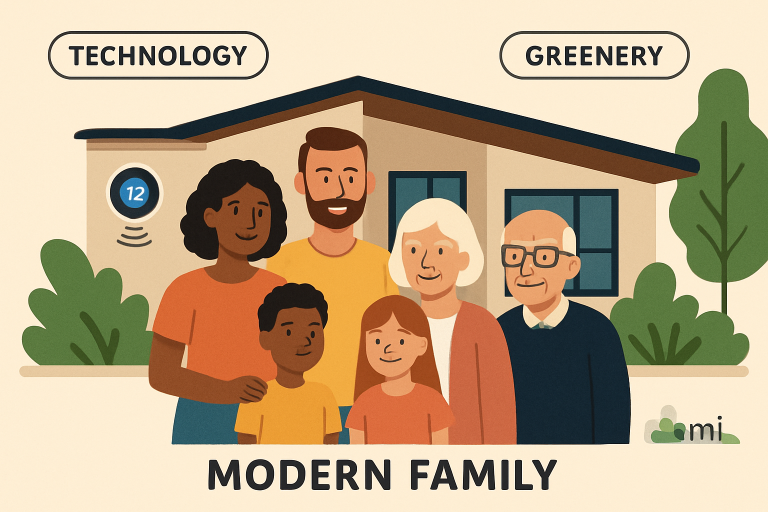
Economic pressures and the desire for closer family bonds have led to a significant increase in multigenerational households. In 2024, 17% of home purchases were for multigenerational living, a record high. This arrangement offers financial benefits and fosters stronger familial support systems.
More families are now prioritizing homes with separate living areas, such as finished basements, guest suites, or accessory dwelling units (ADUs), to accommodate aging parents, adult children, or extended relatives. This shift reflects a deeper cultural appreciation for familial interconnectedness and resource sharing. Homebuilders are responding with floor plans designed for flexible living arrangements, incorporating amenities such as private entrances and secondary kitchens, further supporting this trend.
Co-Buying: Friends and Family Joining Forces
With housing affordability becoming a major hurdle, many are turning to co-buying as a solution. Friends and family members are pooling resources to purchase homes together, allowing them to enter the market despite high prices and mortgage rates. This trend is particularly popular among younger buyers facing financial constraints.
Legal and financial considerations are essential when entering such arrangements. Buyers are increasingly consulting with real estate professionals and legal advisors to draft co-buying agreements that clarify ownership percentages, responsibilities for repairs and maintenance, and protocols for resolving disputes or selling the property. As the popularity of co-buying grows, so does the availability of financial products catered to joint ownership, making it a viable path for many.
Technological Integration in Home Buying
Modern families are increasingly prioritizing smart home technologies. Features like automated security systems, energy-efficient appliances, and home automation are not just luxuries but expectations. These technologies offer convenience, safety, and potential cost savings, making them attractive to tech-savvy buyers.
Additionally, the home-buying process itself is becoming more digitized. Virtual tours, 3D walkthroughs, and secure e-signature platforms enable buyers to explore properties and complete transactions remotely. This increased adoption of technology empowers families to shop for homes from anywhere, reducing time-to-close and improving the overall experience.
Sustainable and Eco-Friendly Homes
Environmental consciousness is influencing home-buying decisions. Families are seeking homes with sustainable designs, including energy-efficient systems and eco-friendly materials. This shift not only benefits the environment but also reduces long-term utility costs.
Home certifications such as LEED, ENERGY STAR, and Green Globes are becoming key considerations for environmentally-minded buyers. Sustainable landscaping, solar panels, rainwater harvesting systems, and low-VOC materials are increasingly in demand. The emphasis on eco-friendly living is especially relevant for families looking to reduce their carbon footprint, and it can also enhance a home’s resale value over time.
Challenges for Younger Homebuyers
Millennials and Gen Z face significant barriers to housing. High prices, elevated mortgage rates, and limited inventory have made homeownership increasingly difficult. In 2024, the median age for first-time homebuyers rose to 40, highlighting the challenges younger generations encounter.
In addition to financial constraints, younger buyers must balance student loan repayments and rising living expenses. To compete in tight markets, many are turning to smaller homes, relocating to more affordable regions, or leveraging family assistance for down payments. While these challenges persist, they are also prompting innovative solutions and alternative homeownership pathways for the next generation.
Adapting to Market Dynamics
To overcome these challenges, modern families are exploring alternative financing options, such as adjustable-rate mortgages and down payment assistance programs. Staying informed about market trends and being flexible in their approach allows buyers to make strategic decisions in a competitive environment.
Some buyers are open to fixer-uppers as a way to gain entry into desirable neighborhoods and invest sweat equity to build long-term value. Others are considering rent-to-own options or governmental grants tailored to first-time buyers. Flexibility, perseverance, and a strong understanding of available resources help families adapt and thrive, even amid market volatility.
The Role of Real Estate Professionals
In today’s complex real estate market, the expertise of experienced agents is essential. These professionals have a deep understanding of local markets and provide personalized advice that helps families navigate the home-buying process. They can uncover off-market opportunities, negotiate favorable contracts, and connect buyers with specialized lenders or inspectors. By partnering with skilled agents, buyers can better anticipate market fluctuations and make informed decisions, ultimately positioning themselves to achieve their homeownership goals.
Conclusion
In today’s evolving housing market, modern families benefit from flexible strategies, technology integration, and expert guidance. By embracing multigenerational or co-buying arrangements, prioritizing smart and sustainable features, and working with experienced agents, buyers can navigate challenges, make informed decisions, and achieve successful homeownership.



No Comments