

Table of Contents
Key Takeaways
- Learn to recognize signs of abuse and neglect in nursing homes.
- Meticulously document any suspected abuse for use as evidence.
- Report concerns to both state agencies and law enforcement when warranted.
- Seek legal guidance from an elder abuse attorney who knows Atlanta law.
- Understand the claims process, from filing to resolution or trial.
Ensuring the well-being and protection of elderly loved ones is a responsibility no family should take lightly. If you become aware or suspect that someone you care about is being abused in a nursing home, knowing how to respond quickly and effectively can make all the difference. Taking action is important not only for your loved one’s immediate safety but also to hold the facility accountable and prevent future incidents. For assistance navigating this process, consider reaching out to an Atlanta nursing home abuse attorney who understands the complexities of these cases and can help you safeguard your loved one’s rights.
Recognizing abuse and understanding the legal steps involved is crucial when seeking justice. In Atlanta, established procedures and dedicated agencies are in place to investigate and intervene. By following a clear step-by-step process, you maximize the chances of a favorable outcome for your family and other residents who may be at risk.
Atlanta families are not alone in this. Numerous organizations and agencies stand ready to help stop abuse and bring justice to those responsible. Early intervention can stop a harmful pattern and potentially save lives.
Bringing a claim can be emotionally challenging, but legal resources and support networks are in place for those willing to take action. By ensuring you follow proper documentation and reporting procedures, you strengthen your loved ones’ case and help others in similar situations.
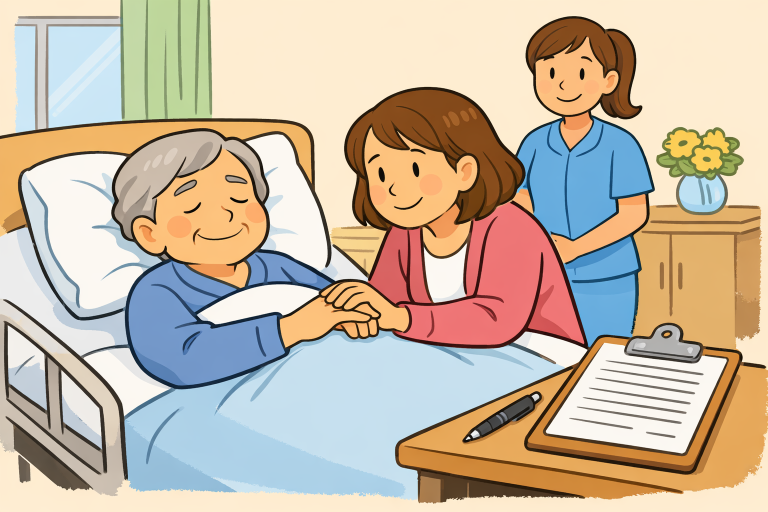
Recognizing the Signs of Nursing Home Abuse
Awareness is often the first line of defense against nursing home abuse. Signs of mistreatment may be subtle or go unreported due to fear or the elderly resident’s diminished capacity. Watch closely for:
- Physical injuries like bruises, cuts, or burns that cannot be explained logically.
- Sudden, unexplained weight loss, signs of dehydration, or malnutrition.
- Major changes in personality, such as unexplained withdrawal, anxiety, or depression.
- Dirty clothing, bedsores, or obviously poor hygiene in an otherwise capable resident.
- Strange withdrawals, missing valuables, or odd financial transactions.
Never ignore these red flags. Swift action is vital since patterns of abuse tend to escalate if not addressed early.
Documenting Evidence Thoroughly
Clear and organized documentation is the backbone of a strong abuse claim. Collect evidence as soon as you suspect abuse. This includes:
- Taking well-lit and timestamped photographs of any physical injuries or unsafe living conditions.
- Keeping a detailed diary noting any unusual observations, conversations, or behavioral changes, including dates and times.
- Gathering witness accounts from fellow residents, family members, or trustworthy staff.
- Request copies of all relevant medical files, medication logs, or care plans from the facility.
Organize all this information in a secure, accessible place. It will be critical for authorities and legal representatives during the investigation and litigation stages.
Reporting the Abuse to Authorities
Georgia provides a well-defined process for reporting elder abuse. Depending on the location and severity of the abuse, your options include:
- Georgia Department of Community Health (DCH): Handles complaints about licensed nursing homes and conducts broad investigations. Call 1-800-878-6442 or use their online portal to file a complaint.
- Adult Protective Services (APS): Responsible for abuse cases occurring outside of licensed facilities. Reach APS at 1-866-552-4464 for immediate guidance.
- Local Law Enforcement: If the resident is in immediate danger or you suspect criminal activity, always contact 911 right away.
When filing a report, include as much detail as possible – times, dates, exact locations, people involved, and the evidence you have collected.
Consulting with a Qualified Attorney
Not all attorneys are equally prepared to handle complex elder law cases. The best approach is to work with a lawyer who specializes in nursing home abuse claims in Atlanta. A seasoned attorney will:
- Evaluate the evidence and determine the merits of your claim.
- Explain your legal options and what compensation may be sought.
- Guide you through investigation, settlement negotiations, and litigation if necessary.
- Protect your loved one’s rights through every phase of the process.
Early legal intervention can dramatically increase the likelihood of accountability and just compensation.
Understanding the Legal Process
Knowing what to expect can make the process less overwhelming. Filing a nursing home abuse claim in Georgia typically involves:
- Filing the Complaint: Your attorney formally submits a complaint outlining the facts and legal basis for your claim.
- The Discovery Phase: Both sides exchange relevant evidence, witness information, and expert reports.
- Settlement Negotiations: Attempts may be made to resolve the case and avoid a trial through negotiation and mediation.
- Trial: Should a resolution not be reached, the claim proceeds to court, where a judge or jury will decide liability and damages.
Patience is key. Some claims may settle in a few months, while others may take several years if they are especially complex.
Frequently Asked Questions (FAQs)
What is the statute of limitations for filing a nursing home abuse claim in Georgia?
Typically, Georgia law allows two years from the date the injury or abuse was discovered to file suit. Exceptions sometimes apply, so prompt consultation with an attorney is recommended.
Can family members or guardians file a claim?
Yes. Close family or legal representatives may bring claims on behalf of a victim who cannot do so themselves due to incapacity.
What type of compensation is available?
Damages can include medical expenses, relocation costs, emotional distress, physical pain and suffering, and, in egregious cases, punitive damages.
How long does the process take?
Resolution timelines vary. Some claims conclude within a year, while others can extend for several years, especially if heavily contested.
Are there other resources for support and guidance?
Yes. The National Center on Elder Abuse is an excellent source of information for families and professionals alike.
Final Thoughts
Nursing home abuse cases are often emotionally difficult and legally complex, but they are also deeply important for protecting vulnerable residents and preventing further harm. Families who take the time to recognize warning signs, document concerns carefully, and report issues to the appropriate authorities play a critical role in ensuring accountability within care facilities.
While pursuing a claim can feel overwhelming, each step serves a purpose in building a strong case and safeguarding your loved one’s rights. Working with experienced legal counsel, organizing evidence, and acting promptly can significantly influence the outcome of a case.
Ultimately, addressing suspected abuse is not only about seeking justice for one individual. It also helps raise standards of care and may prevent similar harm from happening to others. With the right support and information, families can move forward with confidence and take meaningful action when it matters most.


No Comments