
Table of Contents
Step onto a dock and feel one corner drop an inch lower than the rest, and something is already off. Tilting rarely happens overnight, since small imbalances build quietly until the whole structure leans. Knowing where those problems start saves money on repairs and keeps boarding safe.
Is Uneven Weight the Hidden Culprit?
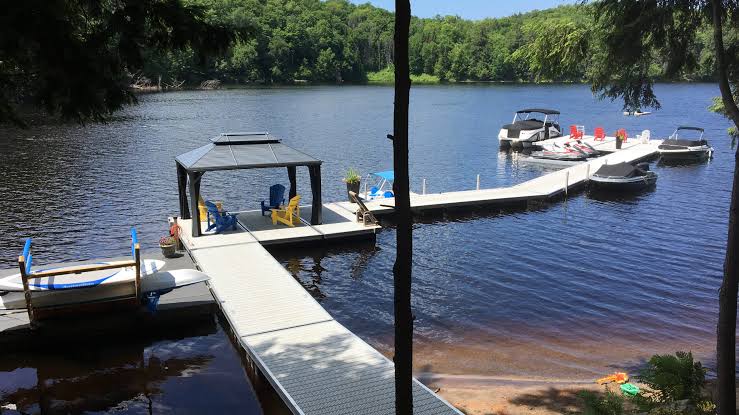
Weight distribution causes more tilt than most owners expect. A dock sits level only when the load spreads across its floats, so a heavy cooler, a stack of gear, or a favorite fishing spot at the same corner every day pushes that side down. Over time, foam in the lower floats absorbs a bit of water, and the lean gets worse. Builders of an aluminum floating dock plan float placement around where people and equipment gather, which is why a layout drawn for real use holds up better than a generic grid.
Heavy fixtures add to the problem. Boat lifts, storage boxes, and fuel stations all sit in fixed spots, and each one needs extra buoyancy right underneath it. Without that, the frame twists slightly under constant pressure and loosens its own connections.
How Do Waves, Wind, and Ice Move a Dock Out of Line?
Water never sits still, and docks take the beating. Boat wakes hit sections at an angle and slowly work hinges and couplers loose. Strong wind pushes the whole system sideways, so anchors that looked fine in calm weather start to drag. Ice is harder still, because freezing water can lift one end of a dock, squeeze it, or grind it against the shoreline.
Sites with heavy exposure call for stiffer frames and more anchor points. Marinas and rental operations feel this most, since a shifting slip means lost income and unhappy customers. Comparing aluminum boat docks for sale by their rated wave and wind conditions gives a clearer picture than comparing price alone.
Why Do Anchors and Pilings Fail to Hold?
Anchoring is where many installs go wrong. Pile guides need to stand in soil deep enough to resist side pressure, and soft lake bottoms can let piles lean over years of use. Cable and chain systems stretch and loosen too, especially when water levels swing between spring and late summer. A dock that was snug in June can end up slack or too tight by October.
Shoreline connections also matter. Gangways and ramps that bind or slip push on the first dock section and throw the angle off. Regular checks of bolts, cables, and pile collars catch small movement before it spreads down the line.
What Role Do Floats and Frame Wear Play?
Floats age, and tired floats cause uneven sections. Cracked shells let water in, UV wears down thin plastic, and foam that was never sealed properly soaks up moisture. One weak float lowers its section, and the frame above bends to match.
Frame quality decides how much that sag spreads. Thick aluminum tubing with solid welds keeps sections rigid, so one bad float stays a small problem. Cheaper aluminum docks flex, and the bend travels from one section to the next. Shoppers browsing aluminum docks for sale should ask about wall thickness, weld style, and float construction, because those three details predict how well a dock keeps its shape.
Can You Fix a Dock That Already Leans?
Many leaning docks can be corrected without a full rebuild. The usual steps include replacing damaged floats, resetting anchors, redistributing heavy items, and tightening or swapping worn hardware. Sections with bent frames may need replacement, though modular designs make that easier since one piece comes out without disturbing the rest.
Flotation Systems works as one of the floating dock builders that helps owners sort out these issues, from diagnosing a tilt to designing a layout that stays level through changing water and heavy use. The team builds custom aluminum boat docks sized to the site, the traffic, and the equipment, and a quick conversation about conditions usually points to the real cause of the lean.



No Comments