

Table of Contents
Key Takeaways
- Hybrids offer superior fuel efficiency and lower emissions but incur higher upfront costs.
- Gasoline vehicles are generally less expensive initially but may incur higher fuel and maintenance expenses over time.
- Consider your driving habits, budget, and environmental priorities when choosing.
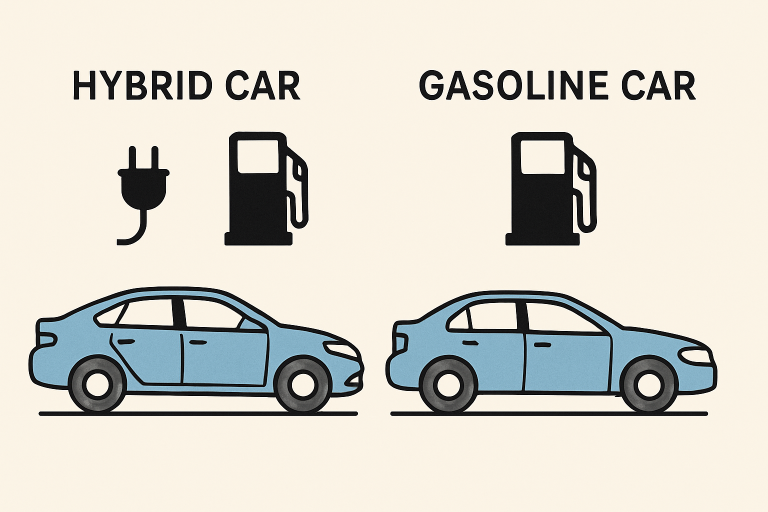
Choosing your next vehicle is more than just selecting a make and model—it’s a decision that affects your budget, your driving habits, and your impact on the environment. Many shoppers today weigh the benefits of hybrid vehicles against traditional gasoline cars, trying to determine which is the better investment and fit for their lifestyle. If you’re ready to dive deeper into your options and compare new vehicles currently available, learn more about the latest models and offers. This resource can help you start your car-buying journey with up-to-date inventories and features. The auto market has evolved significantly in recent years, offering more choices than ever for eco-conscious drivers and those prioritizing cost efficiency. Understanding the unique characteristics, benefits, and drawbacks of hybrids versus gasoline vehicles will help you make an informed decision that aligns with your everyday needs and long-term goals.
Fuel Efficiency & Costs
Hybrid vehicles, which combine an internal combustion engine with an electric motor, consistently deliver higher fuel efficiency than their gasoline-only counterparts. For example, the 2025 Honda Civic Sport Hatchback Hybrid boasts a combined fuel economy of about 48 mpg, making it an attractive choice for drivers who want to save on gas. These fuel savings can add up significantly, especially for those who cover a lot of miles each year. However, it’s essential to weigh these savings against the higher upfront cost of a hybrid. While gasoline vehicles may have a lower sticker price, their increased fuel consumption over time can bridge the initial gap, especially as fuel prices fluctuate. Drivers should estimate their annual mileage and use calculators to project savings over several years. For a deeper dive, check out this fuel economy comparison by MotorTrend.
Environmental Impact
Hybrids stand out for their reduced environmental impact compared to traditional gasoline cars. Since hybrids utilize electric-only driving at lower speeds and during stop-and-go traffic, they emit fewer tailpipe pollutants and greenhouse gases. This cleaner operation is particularly valuable for urban drivers and people with strong eco-friendly values. As global awareness of climate change increases, many people are choosing hybrids as a tangible way to help lower overall emissions and improve air quality.
Maintenance & Reliability
The combined technology in hybrids often means less strain on certain vehicle components. Regenerative braking systems not only recharge the battery but also reduce traditional brake wear. While hybrids generally require less frequent service and may have lower routine maintenance costs, repairs involving advanced electric systems, batteries, or software may be more expensive than traditional fixes for gasoline engines. Most major hybrid batteries, however, are covered by long warranties that last 8–10 years or even longer, helping ease concerns about future battery replacement costs.
Performance & Driving Experience
If your priorities include a smooth, quiet ride, hybrids excel by operating on electric power at low speeds. The electric motor supplies instant torque, resulting in responsive acceleration for city driving and merging onto highways. However, enthusiasts may find that hybrids don’t match the sheer horsepower or towing ability of many gasoline vehicles, especially in sports or heavy-duty models. For those who value ride comfort and minimal cabin noise, hybrids generally bring a noticeable improvement.
Initial Cost & Incentives
The latest hybrid models tend to be more expensive than their gasoline equivalents, largely because of dual powertrains and advanced technology components. Fortunately, both federal and state governments offer incentives such as tax credits, rebates, or access to carpool lanes, which can lower the effective purchase price. Incentives frequently change based on evolving legislation and funding, so consult up-to-date resources from official government sites or automotive authorities for eligibility details.
Resale Value
Hybrid vehicles commonly retain their value better than gasoline-only vehicles as more drivers move towards energy-efficient options. Strong demand for secondhand hybrids reflects both rising fuel prices and greater awareness of environmental impacts, often leading to higher trade-in values or resale prices. This dynamic can help balance out the additional upfront investment when you decide to upgrade or sell your vehicle later on.
Suitability For Driving Habits
How and where you drive plays a crucial role in determining the value of a hybrid versus a gasoline vehicle. Hybrids thrive in urban environments where frequent stops allow the electric motor to take the lead, saving gas and reducing wear. If your daily commute involves a lot of city miles or rush hour driving, hybrids offer clear advantages. On the other hand, if you frequently embark on long highway trips or live in a region with fewer repair specialists, a gasoline vehicle might offer greater convenience and simplicity.
Conclusion
Your final choice between a hybrid and a gasoline vehicle will depend on balancing fuel efficiency, upfront cost, environmental impact, performance priorities, and your unique driving needs. Evaluating your lifestyle, mileage, and values will enable you to select a vehicle that delivers both immediate satisfaction and lasting value.



No Comments