

Table of Contents
Imagine transforming your outdoor space into a lush, thriving oasis—without the burden of time-consuming manual labor or the unease of harming the environment. Today’s yard care landscape has evolved remarkably, merging technology and eco-consciousness to deliver sustainability, efficiency, and dazzling curb appeal. Integrating smart tools, data-driven strategies, and earth-friendly practices means homeowners can finally achieve the gorgeous lawns they desire with less effort and waste. By choosing the right equipment and embracing contemporary techniques, you can cultivate a green, healthy yard that leaves a lasting positive impact on the environment—and your peace of mind.
The future of yard care is already here, offering game-changing options from intelligent irrigation systems that precisely quench your yard’s thirst to AI-driven solutions that analyze soil and plant health in real time. These advances simplify your daily routines and promote a sustainable lifestyle that conserves resources and nurtures native ecosystems. This comprehensive guide explores the top proven strategies for keeping your lawn vibrant, resilient, and low-maintenance, while fostering a greener world for future generations.
Smart Irrigation Systems
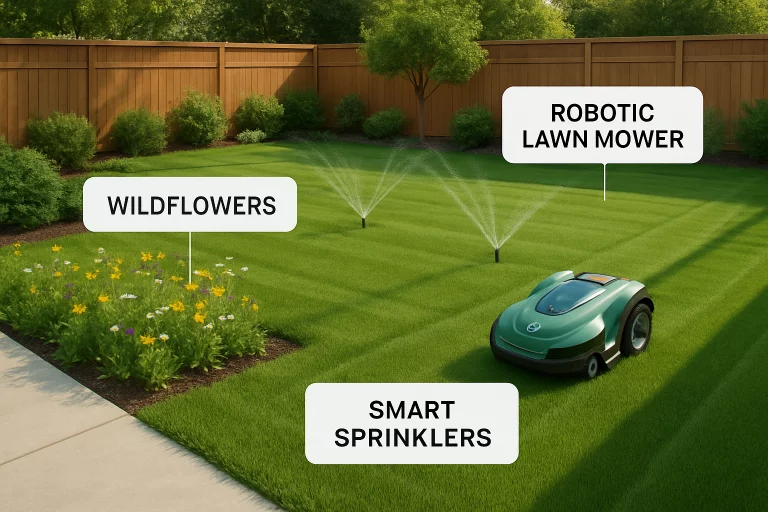
One of the biggest culprits of lawn water waste is outdated, inefficient watering practices. Conventional sprinklers often run on rigid schedules without regard for rainfall, evaporation rates, or your lawn’s specific needs. Enter smart irrigation systems: this next-generation lawn care solution harnesses real-time weather data and soil moisture sensors to tailor watering precisely to the landscape’s requirements. Top systems can automatically delay watering after rain, shorten cycles during cool spells, or increase output in extreme heat, ensuring optimal hydration without a drop wasted. These systems can be monitored and adjusted from your smartphone or smart home device, letting you tweak settings and schedules from anywhere. The result is a lush, green lawn with lower water bills, less effort, and a substantially smaller environmental footprint.
Robotic Lawn Mowers
Mowing the grass is a chore almost every homeowner dreads. Still, today’s robotic lawn mowers offer a revolutionary alternative that transforms this once-tedious task into a hands-off, high-tech experience. These smart machines operate autonomously, guided by GPS, boundary wires, and advanced sensors that help them easily navigate obstacles, slopes, and tight corners. Premium models excel in tackling complex yard layouts and can work day or night—rain or shine—without complaining or getting fatigued. Many units mulch clippings finely to naturally fertilize the lawn, reducing the need for chemical inputs and yard waste disposal. Not only do robotic mowers free up your weekends, but their energy-efficient electric operation and quiet performance mean less noise and emissions compared to traditional gas mowers.
Eco-Friendly Fertilization
While effective at promoting rapid green-up, traditional fertilizer products can upset local ecosystems and contribute to serious environmental problems like nutrient runoff and waterway pollution. Eco-friendly lawn care instead emphasizes organic and slow-release fertilizers that deliver nutrients gradually, enhancing soil health, supporting beneficial microbes, and encouraging robust root systems over time. These products avoid harsh chemicals, relying on natural minerals and composted materials, and are designed to nourish your lawn sustainably season after season. By choosing earth-friendly fertilization, you are cultivating a beautiful, resilient landscape and protecting your community’s drinking water, wildlife habitats, and downstream ecosystems.
Integrated Pest Management
Modern yards thrive when pest control becomes less about eliminating bugs with chemicals and more about promoting a healthy, dynamic ecosystem. Integrated Pest Management (IPM) combines preventive measures, habitat manipulation, and biological controls to keep pest populations under thresholds that prevent damage. This may involve introducing beneficial insects, planting pest-resistant turf varieties, using targeted traps, and minimizing pesticide use to protect pollinators and other wildlife. Over the long term, IPM creates a balanced environment that naturally discourages outbreaks while also building resilience against diseases—and ensures your lawn is safe for families, pets, and the greater natural community.
Drought-Tolerant Turf Varieties
As climate patterns shift and water scarcity becomes a growing concern in many regions, choosing the right grass species is vital. Drought-tolerant turf varieties, like zoysia, Bermuda, and buffalo grass, are specifically bred to withstand long dry spells by going dormant and bouncing back quickly with moisture. These resilient species require less frequent watering and mowing, making them perfect for those seeking low-maintenance, sustainable landscaping that saves on utility costs and labor. With the right turf, your lawn stays green and attractive year-round—even when rainfall is unpredictable—and supports a more resilient landscape for years.
Native Plant Landscaping
For a truly sustainable and low-maintenance yard, incorporating native plants alongside turf is a powerful strategy. Native species evolved to thrive in your local climate, making them naturally resistant to regional pests, diseases, and harsh weather. They require minimal irrigation, fertilizer, and pesticides while providing essential resources for native bees, butterflies, birds, and other wildlife. By infusing your lawn with a tapestry of grasses, wildflowers, shrubs, and groundcovers indigenous to your area, you’ll enjoy vibrant beauty, attract pollinators, and support the overall health of your outdoor ecosystem.



No Comments