
Table of Contents
Key Takeaways
- Inspect your roof regularly for visible symptoms, such as missing shingles or leaks.
- Early attention to roofing problems can prevent significant structural damage and higher expenses.
- Hiring a professional roofer helps ensure thorough evaluation and lasting repair solutions.
Your roof serves as the essential barrier protecting your home from harsh weather, moisture, and environmental threats. By learning to recognize early warning signs of roof damage, homeowners can address problems before they escalate into major, costly repairs. For reliable evaluation and timely service, finding a trusted local roofer is key to keeping your home’s shelter safe and sturdy.
It’s easy to overlook subtle indicators of roofing issues until they develop into more extensive problems. Scheduling regular inspections and acting promptly if you notice anything unusual will help extend the life of your roof, decrease the likelihood of water intrusion, and maintain your property’s value.
Some problems may appear minor at first glance, but ignoring them can compromise your home’s structural integrity. Homeowners in areas that experience severe weather or seasonal storms should be especially vigilant. The sooner issues are identified, the simpler—and often less expensive—the repairs are likely to be.
If you begin seeing debris in your yard after a storm, experience unexplained increases in your energy bills, or notice new stains or streaks indoors, it’s time to look closer at your roof’s condition.
Missing or Damaged Shingles
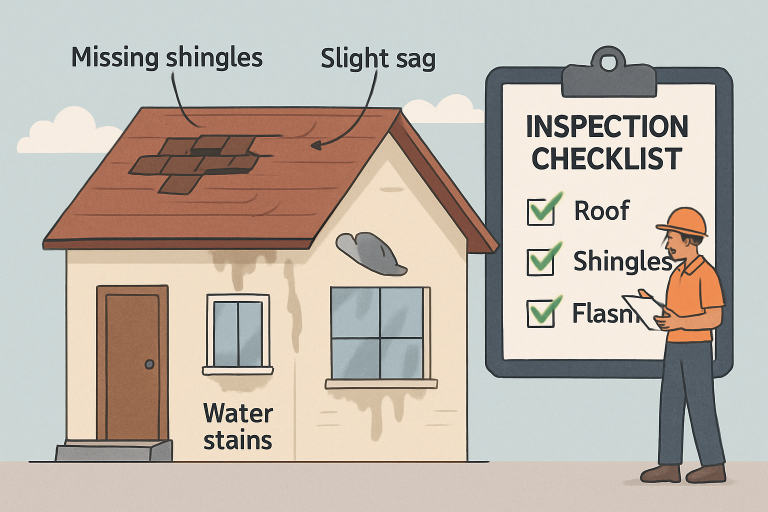
Shingles shield the underlying structure from moisture, wind, and heat. Even a small patch of cracked, curling, or missing shingles can become a direct pathway for water intrusion. After storms or high winds, walk around your home and visually inspect your roof—missing shingles are often the most obvious sign that repair is needed. According to Fixr.com, shingle damage is one of the most common warning signals of roofing wear and tear.
Water Stains on Ceilings or Walls
Notice brown, yellow, or faded spots appearing on your interior ceilings and walls? These marks are usually a tell-tale sign of a roof leak. Moisture from the outside can wick through attic insulation and drywall, manifesting as unsightly stains and, eventually, more serious issues like rot or mold growth. Water staining should always be inspected immediately to locate and address the source of the breach.
Sagging Roof Sections
A roof should maintain a straight, even appearance along its slopes. Any visible sagging or dipping, whether indoors (on the ceiling) or outside, suggests a problem with the underlying support. This could arise from rotting rafters, excessive weight from saturated decking, or ongoing structural damage. Because sagging can quickly escalate to a collapse, contacting a roofing expert for a prompt assessment is critical.
Granules in Gutters
Asphalt shingles are coated with tiny granules that defend against UV rays and water damage. Over time, these granules can loosen and wash away during rain, accumulating in gutters and downspouts. While some loss is typical as shingles age, excessive granule buildup often means your roof is deteriorating and nearing the end of its lifespan. Too many granules lost expose the shingle’s underlying material, accelerating decay.
Daylight Through Roof Boards
If you can see beams of light shining into your attic, it means water, wind, and pests can get in, too. Gaps or cracks between boards, loose shingles, or worn flashing leave a roof vulnerable to damage. Checking your attic during the day for any sign of outside light—especially after a heavy storm—will help you pinpoint weaknesses early. Unattended, these gaps can lead to extensive water damage and expensive repairs.
Mold or Algae Growth
The presence of mold, mildew, moss, or algae on your roof typically indicates unwanted trapped moisture, which, over time, can erode materials and weaken the roof’s structure. Mold growth not only poses a risk to your roof but can also threaten your indoor air quality and health. Addressing mold and algae as soon as they appear will prevent deeper deterioration and can often be handled before a full roof replacement is needed.
Increased Energy Bills
A sudden rise in heating or cooling costs can sometimes be linked back to roofing issues. When shingles crack or insulation in the attic is compromised by leaks, it becomes more difficult to maintain a stable home temperature. A roof that’s failing will allow hot or cold air to escape, forcing your HVAC system to work overtime. If your energy bills are mysteriously increasing, a roof inspection could reveal hidden damage.
Age of the Roof
Like any major building component, roofs have a finite service life. Most asphalt shingle roofs last between 20 and 25 years, while other materials may last longer or shorter, depending on weather exposure and maintenance. If your roof is coming up on its expected lifespan, it’s time to schedule a thorough evaluation—even if you haven’t noticed other warning signs. Proactive replacement can help you avoid unplanned emergencies and water intrusion.
Importance of Timely Professional Inspections
Scheduling regular professional assessments provides peace of mind and extends the lifespan of your roof by years. Experts can identify problems that homeowners may miss, recommend necessary repairs, and provide guidance on best maintenance practices. Addressing even minor signs promptly can significantly reduce costs and prevent hazardous conditions that endanger your home and family.
By staying alert to these warning signs and acting swiftly, you can safeguard your property and maintain a strong, reliable roof over your head.
Final Thoughts
Your roof is one of your home’s most important protective systems, and paying attention to early warning signs can make a significant difference in its longevity and performance. From missing shingles and water stains to rising energy bills and visible sagging, these indicators should never be ignored. Routine inspections, timely repairs, and guidance from a qualified roofing professional help prevent minor issues from escalating into costly structural damage. By staying proactive and informed, homeowners can preserve their roof’s integrity, protect their investment, and enjoy greater peace of mind through every season.


No Comments