

Table of Contents
Key Takeaways
- Chiropractic care now addresses holistic wellness, supporting the body’s various systems.
- Innovations in technology have transformed how chiropractors assess and treat patients.
- Preventative strategies and patient education are foundational in promoting long-term health.
Chiropractic care is no longer limited to treating back and neck pain; it has expanded to encompass a broader range of conditions. Today’s chiropractor is a key player in whole-body wellness, drawing from holistic health principles to offer far-reaching benefits that impact all aspects of well-being. Recognizing the connection between spinal health and systemic health, modern care providers address multiple factors that influence a person’s overall vitality. Those seeking chiropractic services in Pickering can now access a suite of treatments that go beyond traditional adjustments, focusing on sustainable health strategies that fit seamlessly into daily living.
The evolution of chiropractic care incorporates advanced technologies, a focus on preventative practices, and collaborative healthcare. This progressive viewpoint ensures patients are treated as whole individuals, not just a set of symptoms. Whether you’re seeking relief from pain, a proactive wellness plan, or support in managing daily stress and mobility, today’s chiropractic services are designed to meet a wide range of needs.
Embracing A Holistic Approach
Modern chiropractic care embodies a comprehensive approach, viewing spinal health as a gateway to overall physical, mental, and emotional well-being. Rather than just targeting immediate pain, practitioners evaluate the lifestyle factors that may underlie recurring issues—which can include dietary choices, activity levels, sleep habits, and work ergonomics. This evaluation enables the creation of specialized, multidimensional treatment plans that promote healing and support long-term health. The holistic model is rooted in the understanding that the nervous system, housed within the spine, orchestrates communication throughout the body. By nurturing this core system, chiropractors help restore balance and alleviate symptoms that can show up as headaches, fatigue, or digestive disturbances, as supported by research from Harvard Health Publishing.
Integration Of Technology In Chiropractic Care
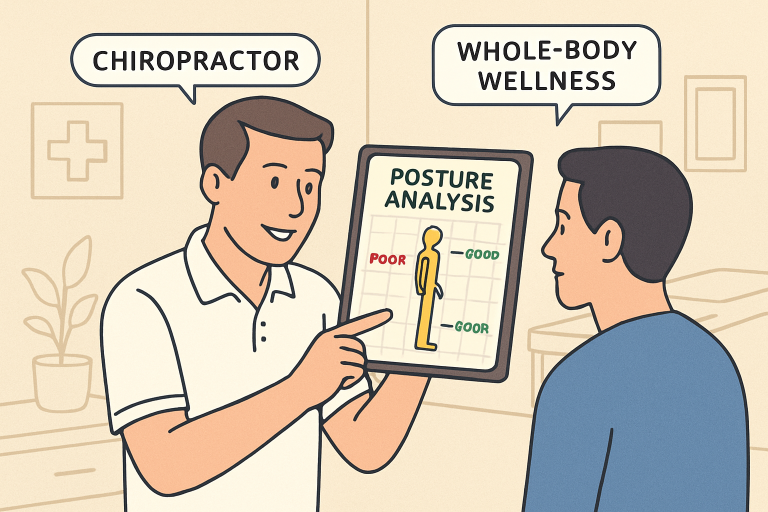
The use of cutting-edge technology is transforming chiropractic practice. Digital posture analysis, range-of-motion trackers, and advanced imaging techniques allow for more accurate assessments and targeted interventions. These tools provide practitioners with deeper insight into biomechanical issues, which in turn leads to more individualized care plans. Wearable devices, now popular for monitoring physical activity and health metrics, offer chiropractors continuous data on movement patterns and progress outside the clinic. This real-time feedback encourages adherence to prescribed exercises and lifestyle modifications, enhancing the benefits of in-office treatments.
Residents in Pickering have access to these advanced methods, guided by local experts, such as a chiropractor who stays current with the latest innovations in patient care technology. These tools not only improve accuracy and outcomes but also provide patients with tangible insights into their improvement over time.
Preventative Care & Patient Education
Education and prevention are themes that run through every successful chiropractic plan. Today’s chiropractors spend considerable time guiding patients on how everyday habits contribute to spinal health. Instruction on ergonomics, workstation posture adjustments, and body mechanics for daily activities prepares patients to avoid injury and maintain mobility in the long term. Regular preventive adjustments and personalized exercise regimens can stave off common musculoskeletal complaints, ensuring minor issues are addressed before they evolve into chronic problems.
This proactive, educational model is reinforced by the consensus that ongoing support and patient empowerment are central to all forms of healthcare, as highlighted by the Centers for Disease Control and Prevention (CDC). Chiropractors strive to create lasting, positive changes that continue well after the appointment is over.
Collaborative Care Models
The collaborative spirit of modern chiropractic care ensures that no aspect of patient health is overlooked. Chiropractors work alongside family physicians, physiotherapists, nutritionists, and mental health providers, coordinating care for individuals with complex or overlapping conditions. This multidisciplinary approach fosters a network of support, addressing not just acute injuries but also systemic challenges such as inflammation, chronic pain, or postural imbalances. Integrated communication among specialists is critical in developing personalized, effective treatment paths—resulting in improved patient satisfaction and outcomes.
Stress Management & Mental Health
Whole-body wellness is incomplete without attention to stress and mental health. Chiropractic adjustments target the nervous system directly, which can alleviate physical symptoms related to stress, such as muscle tension, headaches, and sleep disturbances. By restoring proper alignment and reducing nerve interference, adjustments support the body’s ability to manage stress naturally and may complement other therapeutic modalities such as mindfulness and counseling. There is growing recognition in mainstream healthcare that physical interventions—such as those provided by chiropractic care—can play a beneficial role in enhancing mental resilience and overall quality of life, as explored by Harvard Health Publishing.
Conclusion
Modern chiropractic care has transcended the limits of traditional spinal adjustments. By embracing whole-body wellness, leveraging advanced technology, and prioritizing education and collaboration, chiropractors are positioned as vital partners in maintaining overall health. Their holistic and forward-thinking approach offers patients sustained improvements, empowering them to take charge of their overall well-being. It responds to the complexities of modern life with expertise, compassion, and innovation.



No Comments