
Table of Contents
Key Takeaways
- A coastal property should be evaluated by its total cost of ownership, not its list price alone.
- Insurance, flood exposure, roof condition, association fees, and maintenance can materially affect affordability.
- Early review of inspections, permits, disclosures, and association records can prevent late surprises.
- A beautiful view matters, but elevation, drainage, access, and resale appeal also deserve close attention.
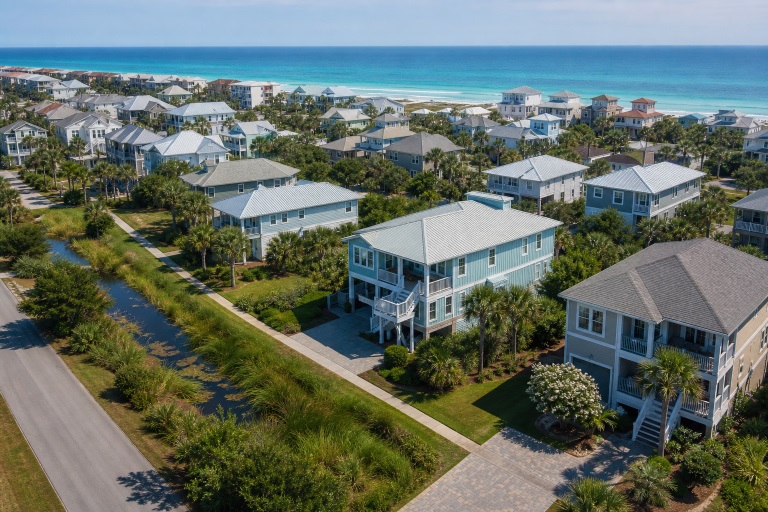
From Destin’s harbor-side neighborhoods to Gulf-front condominiums and homes near Choctawhatchee Bay, coastal living can offer an exceptional lifestyle. It also calls for a more detailed buying process than a typical inland purchase, especially when weather exposure, water management, and ongoing upkeep are part of ownership.
For buyers weighing residential, investment, or commercial opportunities, Destin FL real estate experts McKenzie Claire Real Estate International provide property search tools, buyer resources, and local real estate guidance through the McKenzie Claire Real Estate Group. Based in Destin and serving communities including Fort Walton Beach, Navarre, Niceville, Freeport, and Florida 30A, the team’s focus on due diligence and property decisions can be valuable when comparing Northwest Florida homes with different ownership risks.
Start With the True Cost of Ownership
The monthly payment shown by a mortgage calculator is only one part of the decision. Before becoming attached to a particular home, estimate principal and interest, property taxes, homeowners’ insurance, possible flood insurance, association dues, utilities, and a realistic repair reserve. Coastal ownership also creates recurring needs such as exterior washing, caulking, corrosion checks, landscaping, and HVAC service.
Two similarly priced homes can have very different carrying costs. For example, a home with a newer roof, documented wind features, and modest association dues may be easier to budget for than a comparable property with an older roof, higher dues, and a larger insurance deductible. Compare each home using the same complete monthly checklist.
Review Insurance Before Making an Offer
Request an insurance estimate before submitting an offer when possible, or immediately after contract acceptance. Coverage availability, deductibles, prior claims, construction details, and the age and condition of major systems may affect the policy options available to a buyer. The Florida homeowners insurance overview explains that flood damage is generally not covered by a standard homeowners policy and that insurers may request inspections during underwriting.
Insurance Questions to Ask
- Is flood coverage required by the lender, advisable for the location, or both?
- What hurricane or windstorm deductible would apply?
- Will the roof age or condition affect eligibility or pricing?
- Is a current wind mitigation inspection available?
- Are impact-rated openings, shutters, roof connections, or other protective features documented?
- What exclusions, limits, and endorsements should be reviewed before closing?
Check Flood Risk and Drainage
A listing description should not be the final word on water risk. Use the FEMA Flood Map Service Center to begin reviewing the property’s mapped flood information, then confirm lending and insurance requirements with qualified professionals. A property outside a higher-risk mapped area can still experience heavy-rain drainage issues, stormwater runoff, or standing water.
Ask for an elevation certificate when available, review seller disclosures for water intrusion, and inspect the lot itself. Notice grading near the foundation, low spots in the yard, driveway drainage, downspout discharge, and nearby swales or retention areas. Visiting after substantial rainfall may reveal conditions that are easy to miss on a clear afternoon in Destin.
Inspect Coastal Wear and Property Condition
Salt air, humidity, sun, and wind-driven rain can accelerate wear on exterior materials and mechanical equipment. This does not make a coastal home a poor choice. It means buyers should look for evidence of consistent maintenance and obtain inspections that match the property’s age and features.
Areas That Deserve Extra Attention
- Roof covering, flashing, soffits, gutters, and attic ventilation
- Window seals, exterior doors, caulking, paint, stucco, and siding
- Metal railings, fasteners, outdoor lighting, and screened enclosures
- Air-conditioning equipment, condensate lines, and service history
- Decks, balconies, pool areas, electrical panels, and exterior outlets
- Moisture stains, musty odors, soft wood, corrosion, or signs of past leaks
Start with a licensed home inspector experienced with coastal properties. Add a roof, structural, HVAC, electrical, plumbing, moisture, or pest specialist when the initial inspection identifies a concern. The goal is to understand the condition and likely near-term work before contingency deadlines expire.
Gather the Right Documents
Good records make it easier to verify what has been repaired, replaced, or altered. Request the seller’s disclosure, prior inspection reports, roof permits, contractor invoices, HVAC records, warranties, wind mitigation reports, elevation certificates, and available flood policy information. For condos and homes in associations, review declarations, budgets, meeting minutes, rules, current assessments, and any planned capital projects.
Pay particular attention to enclosed patios, replacement windows, additions, dock work, structural changes, and other improvements that may require permits or approval. If documentation is missing, ask the appropriate local authority or a qualified professional how to verify the work before closing.
Compare Location Beyond the View
A Gulf, bay, harbor, or canal view can shape a buyer’s emotional response, but practical location details affect everyday ownership and future marketability. Compare elevation, distance from open water, road access during severe weather, privacy, noise, nearby construction, and travel-season traffic. Also consider proximity to groceries, medical care, marinas, beaches, schools, and the places you expect to visit most often.
Investors should separately confirm rental rules, occupancy restrictions, and association policies. Full-time buyers may place more value on storage, parking, commute patterns, and neighborhood services. A home that suits your actual routine is often a stronger long-term choice than one selected for the view alone.
Build a Smarter Offer Strategy
Negotiation is not limited to price. Inspection findings, insurance estimates, permit questions, and association finances can support requests for repairs, credits, additional documentation, or a longer review period. Keep appropriate protections for inspections, financing, appraisals, title, and association documents in the contract.
A buyer may accept a somewhat higher price for a well-maintained property with clear records, a recent roof, and manageable insurance terms. Another buyer may reasonably prefer a lower price when major repairs, uncertain coverage, flood concerns, or association projects create added costs or uncertainty.
Final Thoughts
Buying a coastal home in Destin should be exciting, but a careful process protects that excitement. Review the real ownership budget, insurance options, flood and drainage conditions, maintenance history, documents, and neighborhood fit before making a final commitment. The right home is one that supports both the coastal lifestyle you want and a budget you can confidently sustain.



No Comments