
Table of Contents
Restoration and construction are vital for maintaining safe, functional, and beautiful properties. They help keep our homes, workplaces, and communities strong and appealing. Specialized restoration services face high demand with growing needs caused by natural disasters, aging infrastructure, and modernization efforts. Good construction practices also boost safety, reduce environmental impact, and increase property values. This guide dives into everything you need to know about restoration and construction, from key concepts to modern technology, to ensure your projects succeed.
Understanding Restoration & Construction: Key Concepts & Differences
Restoration focuses on returning properties to their original or improved condition following damage from storms, floods, fires, vandalism, or the effects of time. Companies like Valley Restoration & Construction specialize in this work, skillfully preserving a property’s unique character while enhancing safety, functionality, and value. In contrast, construction involves creating entirely new structures or significantly altering existing ones, from residential homes to office buildings, factories, and shopping centers. There are two main types: new construction, which builds from the ground up, and renovation, which modernizes or expands existing spaces. Both processes require detailed planning, thoughtful material selection, and adherence to safety codes, all of which play a vital role in shaping the future of our communities.
Essential Phases Of Restoration & Construction Projects
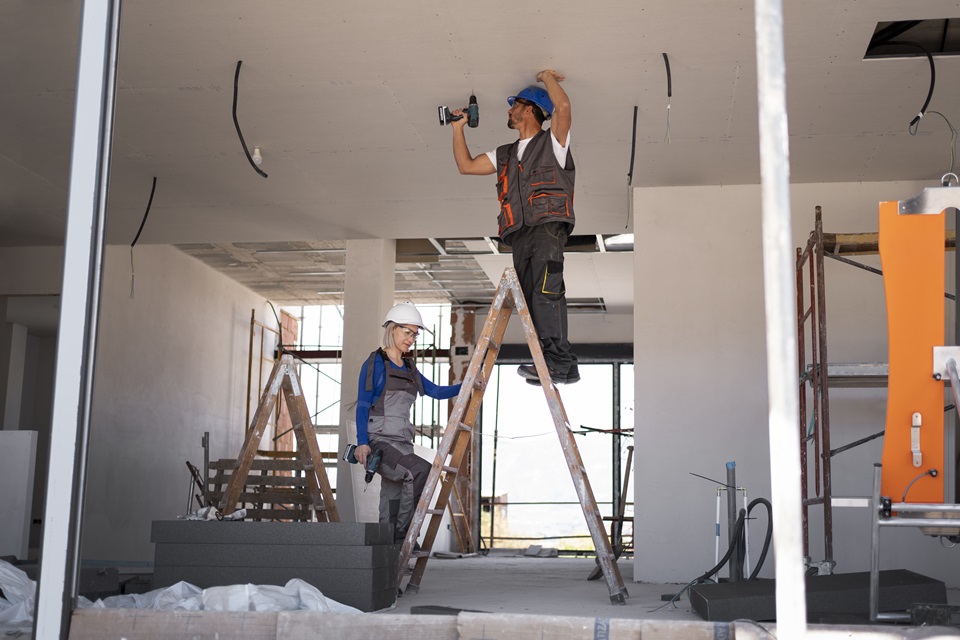
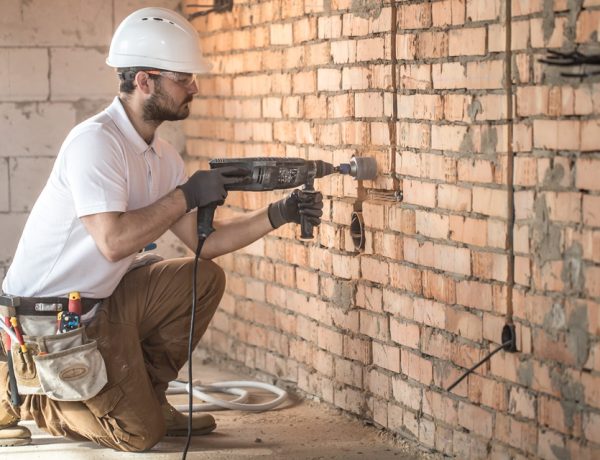
Restoration and construction projects involve several essential phases. The first phase begins with planning and design, where experts like architects, engineers, and project managers collaborate to create a comprehensive project plan that adheres to local building laws and sustainability goals. Proper permits are crucial for safety and quality, and navigating complex local rules is essential. Working early with authorities and understanding requirements beforehand can help avoid costly delays and potential fines. The execution and construction phase involves selecting quality materials and skilled labor, maintaining good project management, and prioritizing safety. Regular inspections and quality checks ensure alignment with plans and safety standards. Post-construction and restoration involve final inspections to ensure the work meets all standards, and maintenance plans and warranties help maintain the property in top condition. Addressing minor issues and ensuring client satisfaction are essential to a successful project.
Advanced Technologies & Materials In Restoration & Construction
Advanced technologies and materials in restoration and construction are revolutionizing the industry. Sustainable options like recycled steel, bamboo, and low-VOC paints reduce environmental impacts. Impact-resistant windows and long-lasting roofing increase safety and reduce repairs. Insulation helps lower energy bills and protects against storms. Building Information Modeling (BIM) creates 3D digital models to spot issues early, while drone surveys capture detailed images. AI and IoT devices track construction progress and assist in restoration, providing real-time data. Green building standards like LEED and WELL reward eco-friendly choices, such as recycling waste, insulating properly, and choosing energy-efficient HVAC systems. Innovative design can save water and reduce energy use, benefiting the environment and lowering operating costs.
Expert Strategies For Successful Restoration & Construction
Building projects involve risks such as accidents, delays, and unforeseen costs. Early detection and good insurance coverage protect investments against disasters and lawsuits. A solid risk plan for disaster recovery projects makes the process smoother. Accurate cost estimation is crucial for keeping projects on track. Value engineering and regular expense reviews prevent surprises and maintain financial health. Clear, honest communication builds client trust, ensuring timely updates, addressing concerns, and meeting deadlines. A satisfied customer is the best business asset, and a satisfied client is the best asset.
Case Studies & Real-World Examples
- Hurricane Katrina Recovery: Millions of buildings needed repair or complete rebuilding after the devastating storm. Restoration teams used advanced technology and eco-friendly materials to speed up work and reduce waste.
- Historic Restorations: Restoring old buildings like churches or theaters requires special techniques to preserve historic details while bringing them to modern safety standards.
- Green Office Buildings: New construction projects now often aim for LEED certification, combining energy efficiency with sustainable materials for healthier workplaces. Some even generate their power through solar panels.
- Lessons from High-Profile Projects: Large projects highlight the importance of detailed planning, swift problem-solving, and team coordination for success.
Conclusion
Restoration and construction are more than just fixing or building structures; they shape communities, preserve history, and support sustainable growth. Success in these fields depends on expert knowledge, innovative tech, and good project management. As the industry advances, opportunities to build safer, greener, and more attractive properties grow. Partnering with experienced professionals ensures your project stands up to future challenges and lasts for generations. Whether you need restoration after a disaster or want a new construction project, focus on quality, safety, and innovation for the best results.

No Comments