

Table of Contents
Key Takeaways
- Pest prevention works best as a year-round routine.
- Seasonal inspections help identify changing pest risks early.
- Sealing gaps, repairing leaks, and controlling moisture can reduce pest entry.
- Proper food and trash storage helps remove common attractants.
- Yard and exterior maintenance can limit pest shelter and access.
- Rodent, insect, and nesting signs should be addressed promptly.
- Cleaning, monitoring, repairs, and targeted treatment work well together.
Pest prevention works best as a routine, not a last-minute reaction. A few small checks throughout the year can make it harder for insects, rodents, and other unwanted visitors to find food, water, shelter, and entry points indoors. Homeowners who want additional guidance on building a prevention plan can learn more while using the seasonal steps below to stay organized. No two properties face the same risks. Climate, nearby vegetation, building age, drainage, pets, storage habits, and local pest activity all matter. Still, nearly every home benefits from consistent cleaning, moisture control, exterior maintenance, and early attention to warning signs.
Why Seasonal Prevention Matters
Pest activity changes with temperature, humidity, rainfall, food availability, and access to shelter. Ants may become more noticeable after spring rain, mosquitoes reproduce near standing water during warm months, and rodents often seek protected indoor spaces as temperatures cool. A loose door sweep, a dripping pipe, pet food left overnight, or crowded storage can turn a minor opportunity into a repeated problem. Prevention is usually simpler than addressing a large infestation because it focuses on removing the conditions pests need before they settle in. A seasonal schedule also makes maintenance manageable. Rather than attempting one overwhelming annual cleanup, homeowners can inspect the areas most likely to change with the weather.
Spring Pest Prevention
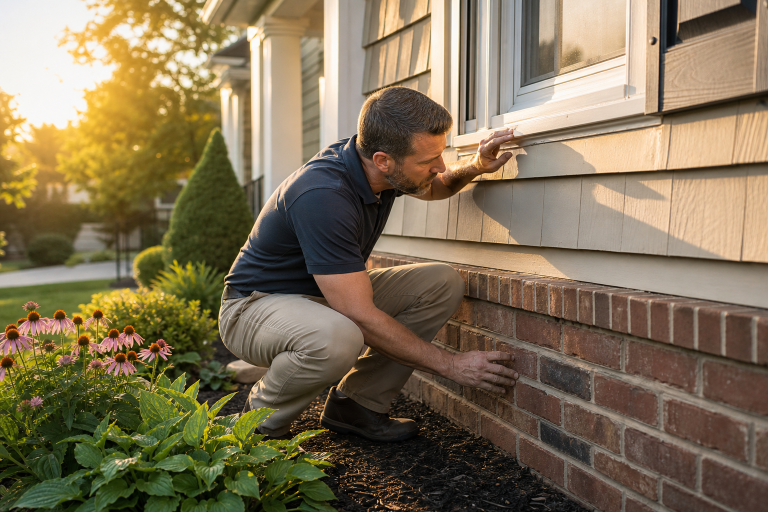
Spring is the time to inspect the home after winter weather and before outdoor pest activity peaks. Walk the exterior slowly and look closely at window screens, door sweeps, foundation cracks, dryer vents, and openings around utility lines. Repair torn screens and seal accessible gaps before insects or small rodents use them.
- Clear gutters and make sure downspouts move water away from the foundation.
- Empty water from planters, toys, buckets, and unused containers.
- Trim shrubs and tree branches that touch siding, windows, or the roof.
- Check basements, crawl spaces, garages, and under-sink areas for dampness or leaks.
- Watch for trails, shed skins, droppings, damaged wood, or insect activity around windows.
Outdoor observation matters, too. Regularly scouting garden plants for early damage can help identify insect issues before plant stress, dense growth, or fallen fruit creates a larger pest attractant near the house.
Summer Pest Prevention
Summer brings heat, outdoor meals, open doors, and fast insect activity. Keep food and drinks covered, wipe up spills of syrup and grease promptly, and store pantry items and pet food in sealed containers. Empty indoor trash regularly, keep outdoor bins closed, and rinse recyclables when practical. Moisture management remains essential. Remove standing water after rain, check irrigation systems for overspray near the foundation, and keep grass, garden edges, and shrubs reasonably neat. Avoid disturbing nests or swatting at stinging insects near eaves, decks, or play areas. A nest in a high-traffic location may require professional help rather than a do-it-yourself approach.
Fall Pest Prevention
As outdoor conditions become less comfortable, many pests look for warmth and shelter. Fall is an ideal time to seal gaps around pipes, cables, doors, windows, and utility openings. Replace worn weatherstripping, repair damaged screens, and ensure exterior doors close tightly.
- Move firewood, lumber, leaf piles, and stored materials away from exterior walls.
- Clean leaves and plant debris from foundation beds and drainage areas.
- Inspect decorations, boxes, and outdoor furniture before taking them indoors.
- Store birdseed, grass seed, and animal feed in sturdy closed containers.
Winter Pest Prevention
Cold weather does not eliminate indoor pest concerns. Warm spaces near appliances, water heaters, pipes, attics, and wall voids can support hidden activity. Keep storage areas dry, orderly, and easy to inspect. Cardboard piles and rarely moved items can provide shelter and make it harder to notice new signs. Look for gnaw marks, droppings, nesting material, greasy rub marks, damaged packaging, or unusual noises after dark. If rodent waste is present, follow directions for products carefully and clean rodent-contaminated spaces safely rather than sweeping or vacuuming dry droppings into the air.
Home Maintenance Checklist
- Walk around the outside of the home once each month.
- Check doors, windows, vents, screens, and utility openings.
- Test gutters and downspouts during or shortly after rain.
- Repair leaks under sinks, near appliances, and in utility rooms.
- Keep food, pet food, and garbage in closed containers.
- Reduce clutter in basements, attics, garages, sheds, and closets.
- Photograph pest signs and record the date and location.
Safe Cleanup And DIY Steps
Low-risk prevention often starts with cleaning, sealing, drying, and organizing. Wear gloves when handling unknown droppings, nests, or contaminated materials. Ventilate enclosed spaces when it is safe to do so, and keep traps or treatments out of reach of children and pets. Never assume that a product labeled natural is automatically harmless. Read the label, use only as directed, and do not mix products.
When To Call For Help
Seek professional support when sightings continue after cleaning and sealing, pests appear in multiple rooms, or there are signs of nesting, structural damage, or chewed wiring. Help is also appropriate for pests that cannot be confidently identified, nests near doors or play areas, and situations involving bites, stings, allergic reactions, or breathing concerns.
Common Questions
What Is The Best Time To Start Pest Prevention?
Start now, then use the beginning of each season as a reminder for a deeper inspection. Checks are especially useful after storms, flooding, renovations, or a long vacancy.
Can Cleaning Alone Stop A Pest Problem?
Cleaning removes food sources and shelter, but it may not solve hidden moisture, entry gaps, nesting sites, or activity inside walls. Combine cleaning with repairs and monitoring.
What Should Be Documented Before Seeking Help?
Record the date, location, photos of damage or pests, recent property changes, and steps already taken. Clear details can make identification and next steps much easier.
Final Takeaway
Seasonal pest prevention is built on repeatable actions. Seal gaps, control moisture, store food securely, reduce clutter, maintain the exterior, and respond early to new signs. Those habits make a home less inviting to pests throughout 2026 and beyond. Regular checks around kitchens, bathrooms, garages, attics, basements, and outdoor areas can help homeowners spot leaks, damaged screens, droppings, nests, or other warning signs before they become more difficult to manage. Adjusting maintenance to seasonal conditions is also useful, since changing temperatures and rainfall can affect where pests seek food, water, and shelter. If activity persists despite basic prevention measures, identifying the pest and its source can help determine the next appropriate step. A simple, consistent routine can reduce unnecessary worry while helping homeowners protect their property through every season.



No Comments