
Table of Contents
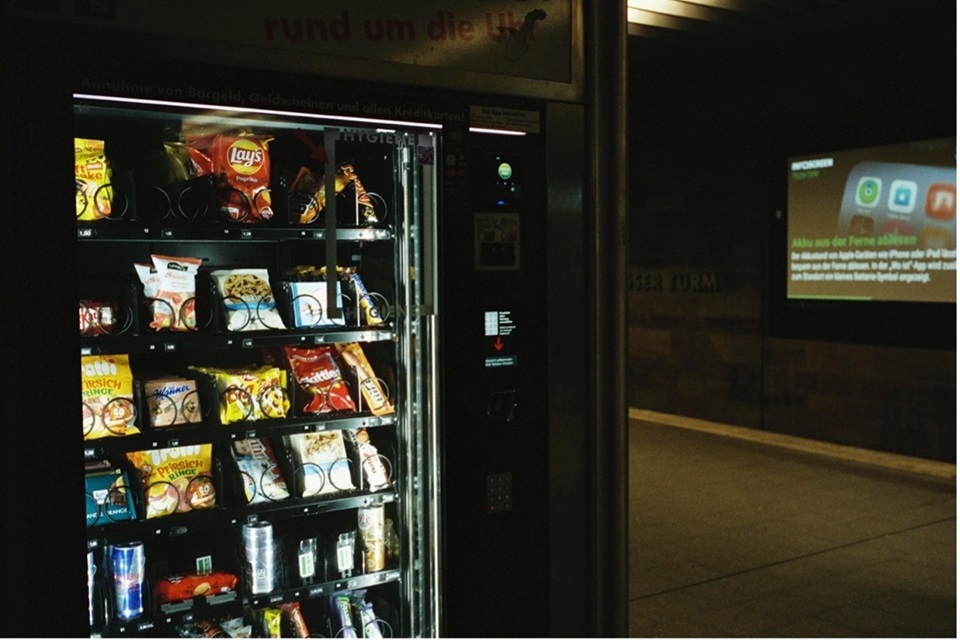
The growth of unattended retail has created new opportunities for vending machine and micro-market operators, but it has also increased exposure to theft, fraud and inventory losses. Traditional security systems often record incidents without stopping them.
Modern AI computer vision vending solutions take a proactive approach by analyzing customer behavior, monitoring product movement and identifying suspicious activity in real time. For operators looking to improve profitability, AI-powered security has become an essential tool for running a more efficient, reliable and almost-perfect business, especially with the help of AI-managed micro store experts at SmartMarket Solutions.
How does computer vision technology detect and prevent theft in real-time?
AI computer vision systems use cameras and machine learning to understand what is happening inside and around a vending machine or micro-market in real time. They track product movement from shelf to hand and match it against payment activity. If an item is taken without being scanned or paid for, the system flags it instantly.
It also detects suspicious behavior, such as hiding products, loitering or unauthorized door access, thereby strengthening overall unattended retail security. When risk is identified, it can trigger alerts, send notifications or activate on-site warnings.
Unlike traditional CCTV, it doesn’t just record incidents: It reacts while they are happening. This real-time response helps prevent vending machine theft before losses occur.
What are the main differences between traditional CCTV cameras and AI-powered computer vision?
Traditional CCTV systems are mainly reactive. They record footage that operators review after an incident has already happened. While useful for investigations, they depend heavily on manual monitoring and often fail to stop theft in real time.
AI-powered computer vision works differently by analyzing video feeds as events happen. It can recognize products, customer actions and transaction patterns automatically, and it generates alerts when unusual behavior is detected. It also connects directly to inventory and payment systems, which reduces the need for constant human monitoring of footage.
For example, while a traditional camera may simply record someone removing products without paying, an AI system can detect the unpaid item instantly and trigger an alert before the person leaves the location.
How does AI security integration help reduce inventory shrinkage and tracking errors?
Inventory shrinkage is one of the highest hidden costs in vending and micro-market operations, caused by theft, scanning errors, stock mismatches, employee mistakes or inaccurate records. With inventory shrinkage AI, operators gain full visibility into every product movement from stocking to purchase or removal. The system builds a continuous audit trail that helps quickly pinpoint where discrepancies occur and improves overall accuracy.
This leads to automatic inventory reconciliation, fewer manual counting errors, faster detection of missing items and better forecasting for restocking decisions. For micro-market operators, micro-market loss prevention becomes more effective because every product taken is matched against a recorded transaction. If an item leaves a shelf without payment, the system flags it immediately.
What are the privacy and data compliance considerations for customers when deploying AI cameras?
Privacy remains an important consideration when implementing AI surveillance technology. Operators should clearly communicate the presence of AI cameras and explain their purpose.
Most AI systems focus on tracking product interactions and customer behavior rather than collecting sensitive personal information. However, businesses should still follow applicable privacy regulations and industry standards.
Best practices include:
· Displaying visible camera notification signage
· Limiting data collection to operational purposes
· Restricting access to recorded footage
· Using encrypted data storage and transmission
· Establishing clear data retention policies
· Working with vendors that comply with applicable privacy regulations
The AI-managed micro store experts at SmartMarket Solutions say transparency helps build customer trust while ensuring compliance with evolving data protection requirements.
What is the typical return on investment (ROI) for upgrading to AI-enabled vending security?
ROI varies by location and how the machines are operated, but most operators see payback within 6 to 18 months. The biggest gains come from reducing shrinkage, cutting time spent on manual inventory checks and improving overall sales performance.
In many AI smart vending deployments, revenue per location can increase by about 35% to 50% compared to traditional machines, although results depend on traffic, product mix, and pricing. In practice, the real value isn’t just higher sales—it’s tighter loss control and more reliable inventory data over time.
Final thoughts
AI computer vision is shifting vending and micro-markets from reactive loss reporting to active loss prevention. Instead of discovering shrinkage after the fact, operators can now see issues as they happen and respond immediately. For unattended retail businesses, this means fewer blind spots, cleaner inventory data and a more controlled, predictable operation overall.


No Comments