
Table of Contents
Motorized blinds are a sleek and modern window treatment option that blends convenience with style. Selecting the perfect fabrics and colors for these blinds is crucial for both aesthetic appeal and functionality. The choices you make can influence the ambiance of a room, its thermal efficiency, and how light filters in throughout the day. In this article, we’ll explore how to choose the right materials and hues for your motorized blinds to enhance your living spaces. Keep reading to discover the nuances of smart window treatment selection.
Understanding The Impact Of Fabric Types On Motorized Blinds Functionality
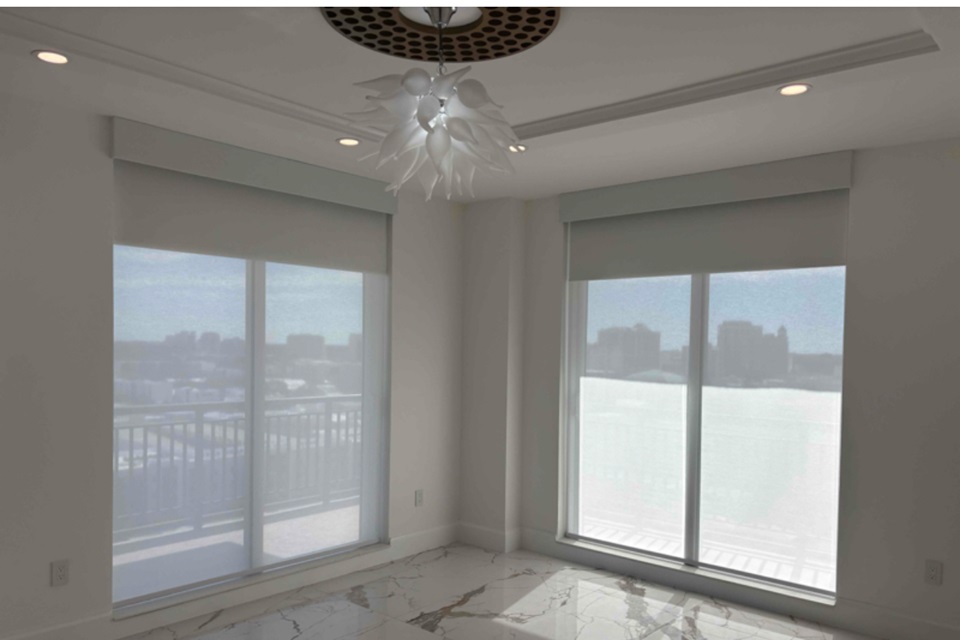
When it comes to motorized blinds, the type of fabric you select can significantly impact their performance. Sheer fabrics, for instance, allow natural light to diffuse gently into the room, creating a light, airy atmosphere while still providing a degree of privacy. Conversely, heavier fabrics are excellent for room-darkening purposes, ideal for media rooms or bedrooms where light control is paramount.
The weight and texture of the fabric also play a role in the mechanical operation of the blinds. Lighter materials may require less power and operate more quietly, while heavier drapery might put more strain on the motor, potentially reducing its lifespan. Therefore, it’s critical to consider the balance between aesthetics and the physical demands placed on the motorized system.
Maintaining motorized blinds also depends on the fabric type. Dust and dirt are more likely to show on textured fabrics, which may require more frequent cleaning. On the other hand, synthetic fabrics are often easier to clean and maintain, making them a practical choice for high-traffic areas or homes with pets and children.
Harmonizing Motorized Blinds With Your Room’s Color Palette
Color choice is a defining element in home decor, and this extends to window treatments. Motorized blinds should complement the existing color palette of the room. Neutral shades like white, beige, or gray are versatile and can fit into most decor styles. They offer a timeless and unobtrusive backdrop that allows other design elements to stand out.
If you’re aiming for a bold statement or accent piece, consider blinds in vibrant colors that harmonize or contrast tastefully with your room’s theme. Deep blues, rich reds, or sunny yellows can add a pop of color and personality to a space. However, it’s important to ensure that these louder colors integrate well and do not clash with other room elements.
The psychological effects of color should not be overlooked when selecting blinds. Cool tones generally create a calming effect and can make a room feel more spacious. Warm colors, conversely, can make a space feel cozier and more inviting. This understanding can guide you in making color choices that not only look visually appealing but also enhance the overall mood of the room.
The Role Of Texture & Durability In Choosing Blinds Fabrics
Texture adds depth to any space, and motorized blind fabrics are no exception. A pronounced weave lends an organic touch, while sleek fabrics enhance modern decor. Mixing textures in window treatments makes a room more dynamic.
Durability is often overlooked. The life of your blinds depends on fabric strength, especially in homes with kids or pets. High-quality fabrics resist wear, fraying, and keep their look over time, which is important for cordless or motorized systems.
Texture also affects function. Thicker fabrics insulate better, helping keep rooms warmer in winter and cooler in summer, which saves energy and improves comfort. When judging durability, check warranties and supplier reputation. Investing in quality fabrics ensures blinds that are stylish, long-lasting, and cost-effective.
Light Control & Privacy: Selecting The Right Color & Opacity
Motorized blinds help control how much light enters a room. Color affects reflection and absorption: lighter shades brighten spaces, while darker tones create a subdued feel or block light when closed.
Fabric opacity matters, too. Sheer fabrics filter natural light while maintaining views, while blackout materials provide privacy, darkness, and thermal benefits, making them ideal for bedrooms or home theaters. Room orientation should guide choices. South-facing rooms often need higher opacity to reduce glare, while north-facing rooms can benefit from more translucent fabrics.
Color and opacity also influence mood. Light, semi-transparent fabrics make rooms feel larger and open, while darker, opaque options add coziness and seclusion. Balance is key to meeting personal preferences and desired outcomes.
Choosing the right fabrics and colors for motorized blinds can significantly elevate the comfort, functionality, and aesthetic appeal of your home. With careful consideration of fabric types, room colors, textures, and light management needs, you can select blinds that beautifully integrate with your home decor while providing the smart functionality that modern life demands.


No Comments